What an Unexplained Water Bill Usually Means
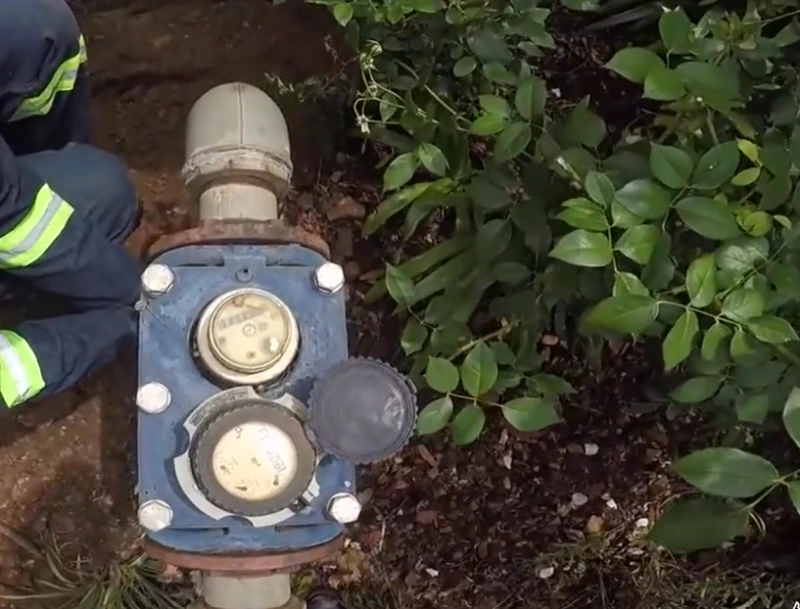
Lynnwood water bills that rise without a clear reason — no additional occupants, no change in outdoor watering, no pool filling — are typically caused by one of a small number of sources: a running toilet, a leaking faucet, a slow drip in a supply line, an irrigation system running longer than expected, or a more significant hidden leak in a buried pipe. The tricky cases are the buried ones, because water flowing through a slab, service line, or irrigation lateral doesn't produce any obvious visible sign until the volume lost becomes large enough to saturate soil or create surface moisture.
A systematic water meter and pressure investigation is the right first step when a bill spike can't be explained visually. The investigation answers two questions: is water actively leaving your pressurized supply system, and if so, which branch or zone is responsible.
Check These Before Calling
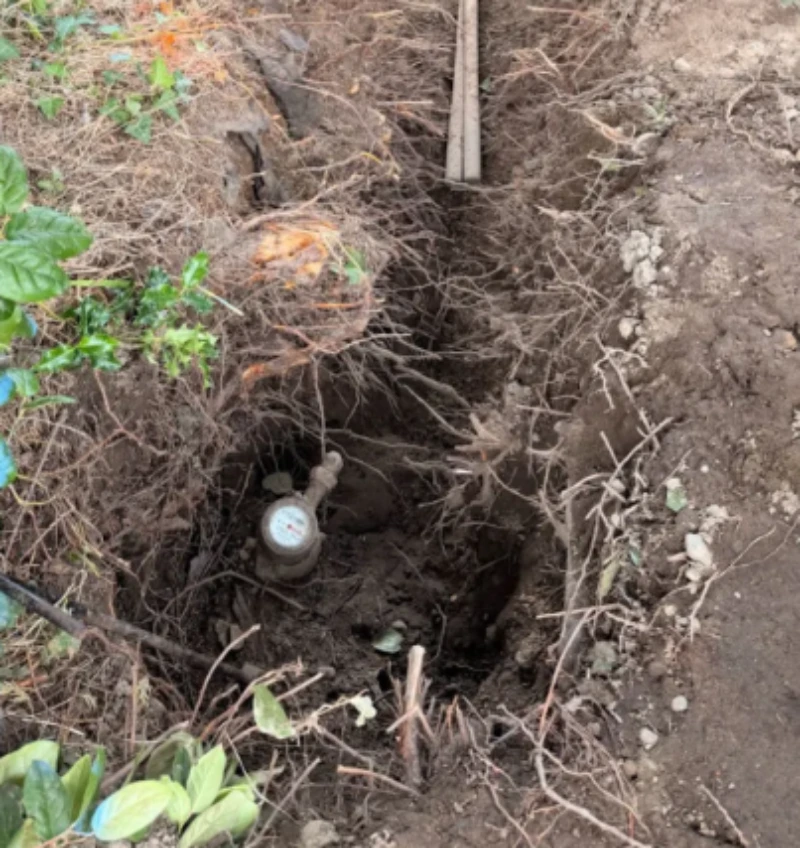
Some bill increases have simple household explanations. Before scheduling a professional inspection, walk through these checks:
- Toilets: Put a few drops of food coloring in each toilet tank. If color appears in the bowl within 10 minutes without flushing, the flapper is leaking. Running toilets are one of the most common causes of unexplained water bill increases and are typically a DIY fix.
- Faucets: Check every indoor faucet and outdoor hose bib for drips. Even a slow steady drip from a faucet adds up significantly over a month.
- Irrigation controller: Verify that your irrigation controller hasn't been reset to a longer runtime schedule — this sometimes happens after a power outage resets the timer. Compare current runtime programming to your intended schedule.
- Water softener or filtration: Regeneration cycles on water softeners consume a measurable volume of water. If your softener is cycling more frequently than needed, this can account for billing increases.
- Meter test: Turn off everything in the home including the irrigation controller. Go to the water meter and watch the small flow indicator (typically a red or silver triangle or dial). If it moves with nothing running, water is actively leaving your system — confirming a hidden leak.
How a Professional High-Bill Leak Investigation Works
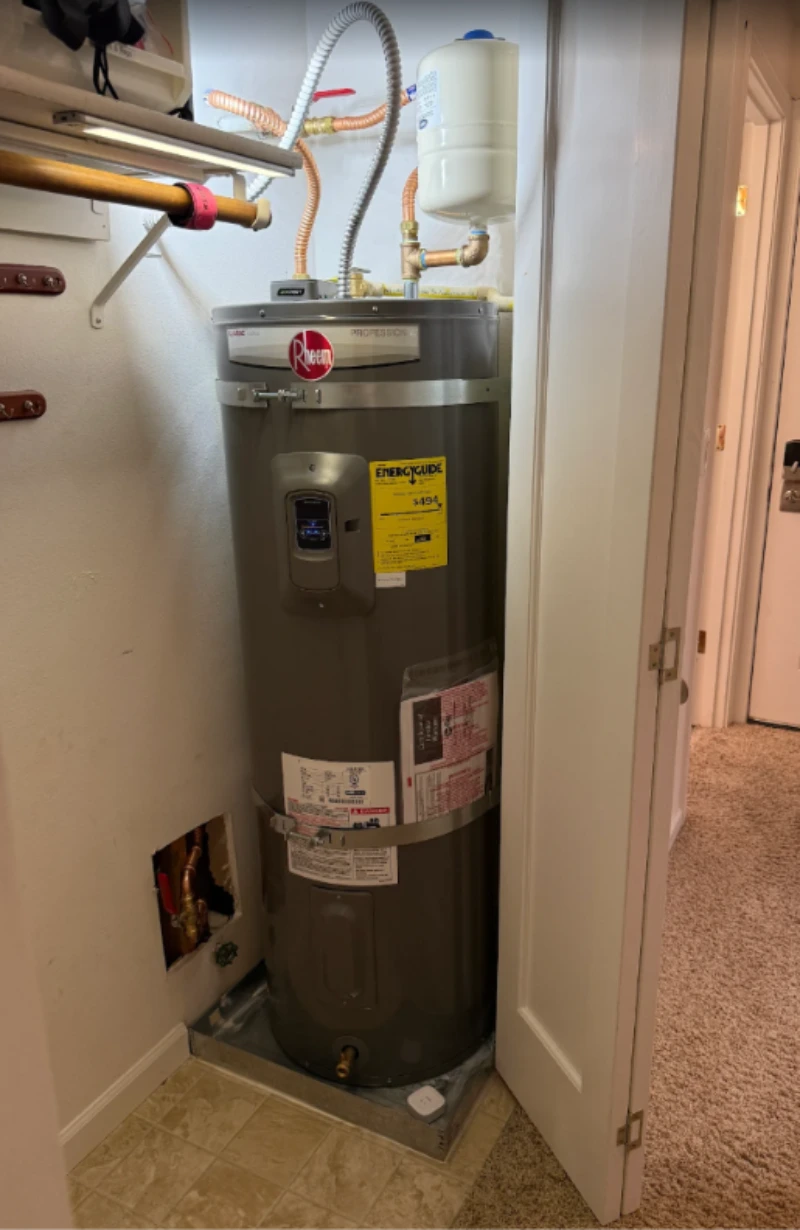
- Baseline meter reading and flow test: The specialist records the meter reading and performs a controlled flow test with all fixtures off. If the meter advances, the investigation confirms an active leak and proceeds to localize it.
- Zone isolation: The water supply to different branches of the home can be isolated in sequence using shutoff valves. By closing valves and observing the meter, the specialist narrows which branch is responsible — indoor supply, outdoor irrigation, or service line.
- Pressure testing: The isolated branch is pressure-tested to confirm whether it holds pressure or loses it over time. A pressure drop confirms an active failure in that line segment.
- Acoustic and thermal survey: Once the responsible branch is identified, acoustic listening tools and thermal cameras help localize the exact failure point — under the slab, in a crawlspace, in an irrigation lateral, or along the service line.
- Report: The specialist provides clear findings: which system is leaking, an approximate location, and what type of further investigation or repair access is needed. This report guides the repair contractor accurately.
Why Prompt Investigation Matters
Every gallon that escapes through a hidden leak is a gallon billed to you. Beyond the direct cost, sustained moisture from a slow hidden leak can cause secondary damage — mold growth, wood rot in crawlspaces, soil erosion around buried pipes, and foundation moisture accumulation. In Lynnwood's climate, where ambient moisture is already elevated for much of the year, the damage from a slow undetected leak compounds faster than it would in a drier region. An investigation that costs a few hours of professional time is almost always a better financial decision than allowing months of additional water loss and secondary damage to accumulate.
Signs That Point to a Hidden Leak
A single-month anomaly may have an explanation. A pattern over two or more consecutive billing periods with no obvious cause warrants professional investigation.
The most direct confirmation of a hidden leak — if the meter moves with all fixtures, appliances, and irrigation off, water is escaping somewhere in your pressurized system.
Pressure losses that aren't fixture-specific can indicate that a significant volume of water is escaping from the supply system before reaching your fixtures.
A saturated section of lawn that doesn't dry in fair weather — particularly along the path of a service line or irrigation lateral — suggests underground water loss in that area.
Common Hidden Leak Sources — What We Check First
| Leak Source | Waste Rate (est.) | Detection Method | Detectability Without Tools |
|---|---|---|---|
| Running toilet (flapper) | 200–1,000 gal/day | Dye test / sound | Sometimes audible |
| Silent toilet leak | 30–500 gal/day | Dye test | Usually invisible |
| Dripping faucet | 5–30 gal/day | Visual | Visible |
| Slab supply leak (pinhole) | 50–300 gal/day | Acoustic + thermal | No — requires tools |
| Irrigation zone failure | 100–2,000 gal/day | Zone pressure test | Sometimes (surface wet) |
| Main service line | 50–500 gal/day | Acoustic + pressure | No — requires tools |
| Crawlspace supply leak | 50–400 gal/day | Visual + acoustic | Requires crawlspace entry |
| Water softener / filter bypass | 50–200 gal/day | Valve inspection | Requires checking equipment |
Frequently Asked Questions
Can my utility tell me where the leak is?
Water utilities can typically confirm meter readings and whether the meter has recorded unusual flow, but locating the source of a loss on the customer's side of the meter is not part of their service. That's where a professional leak detection investigation comes in.
What if the meter test shows no flow but my bill is still high?
If the meter shows no movement during a controlled test but bills remain elevated, consider whether the test period was long enough, whether any appliances (like an ice maker or water softener) were running, or whether the issue may be a utility meter accuracy concern worth raising with your water provider.
How much water does a hidden leak typically waste?
Depending on the pressure and size of the breach, a hidden supply line leak can waste anywhere from a few hundred to several thousand gallons per month. Even a slow pinhole drip losing a fraction of a gallon per hour adds up to over 100 gallons per month. Larger breaks — particularly in an irrigation line or service line — can lose much more before they become apparent.
Is this different from a leak detection inspection?
A high-bill investigation is a specific protocol focused on finding where water is escaping from a pressurized system when no obvious external sign is present. It uses water meter testing, pressure isolation, and zone testing to systematically narrow the source before applying acoustic or thermal tools. It overlaps significantly with standard leak detection; the entry point and protocol are shaped by the specific symptom (billing anomaly rather than a visible wet spot or sound).
What if the investigation doesn't find anything?
If a thorough investigation including meter testing, pressure isolation, and zone checks finds no active leak, the specialist may recommend comparing billing cycles directly with the utility to confirm meter accuracy, or considering whether intermittent issues (like a toilet that runs occasionally rather than continuously) may be responsible. In some cases, a second investigation during a period of higher activity confirms what the first couldn't catch.
Can irrigation leaks cause a high water bill?
Yes — buried irrigation lateral leaks are a common cause of unexplained bill increases, particularly in spring when systems are first reactivated after the winter break. See our dedicated irrigation and sprinkler leak detection service for details on how these are investigated.