What Counts as a Leak Detection Emergency?
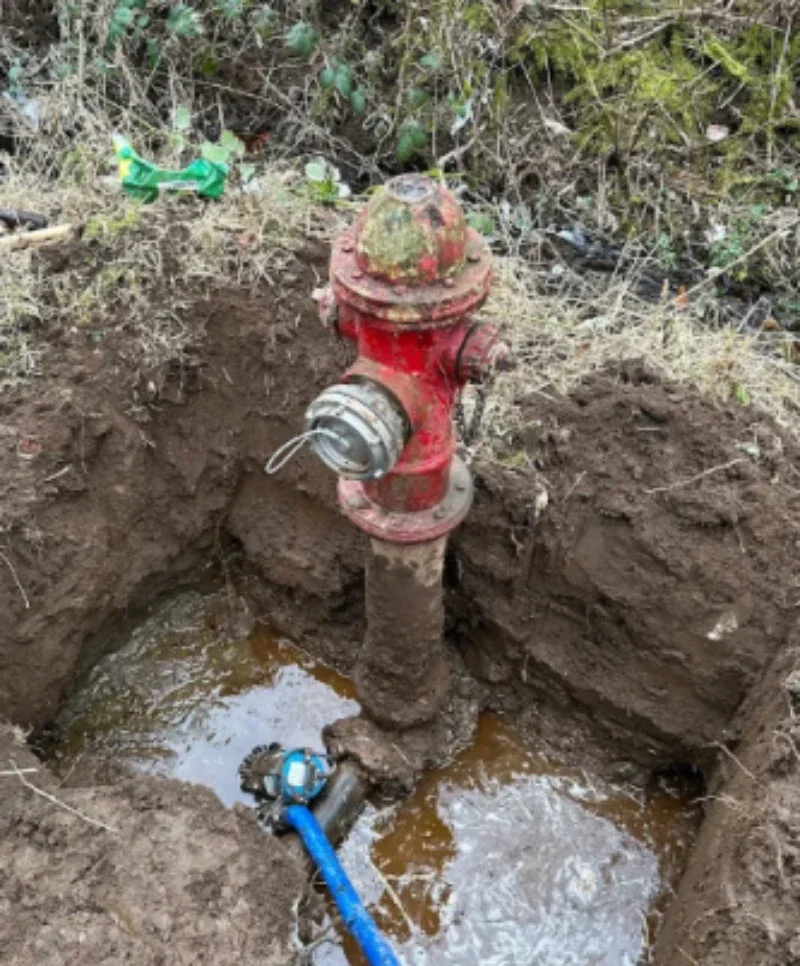
Not every leak requires an urgent same-day response. A slow drip that you've noticed over the past week and that hasn't changed can often be scheduled as a standard inspection. Emergency detection is appropriate when the leak is actively causing damage that will worsen significantly with delay, when there is an active safety concern, or when the volume of water loss is significant enough that every hour matters.
Common situations that warrant urgent professional attention in Lynnwood:
- You can hear water running under your floor with all fixtures off and the sound is continuous or loud
- Water is pooling inside your home from an unknown source
- A section of your yard has suddenly become waterlogged in dry weather
- Your water pressure has dropped dramatically throughout the home without explanation
- Water is coming from a ceiling and is approaching or contacting electrical fixtures
- You've had a sewage backup and suspect a main line failure
- A pipe has clearly failed somewhere but you cannot locate where it is
What to Do Right Now
While you're waiting for a specialist, these actions can limit damage without requiring any pipe access or specialized tools:
- Turn off your main water supply valve if you have a fast-flowing or significant leak and cannot identify or reach the source quickly. The main shutoff is typically where the supply line enters your home — often in a utility room, crawlspace, or near the foundation — or at the meter box near the sidewalk. Turning this valve off stops all flow to the home immediately, which prevents a slow or moderate leak from becoming a major one while you wait for help.
- Document what you're seeing. Take photos or a short video of any wet areas, staining, water pooling, or visible pipe damage before anything is disturbed or cleaned up. This documentation is useful for the detection specialist and for any insurance claim.
- Move valuables away from wet areas. If water is pooling in a room, move anything off the floor that could be damaged — furniture, rugs, electronics, documents, stored items — to a dry area while you wait for inspection.
- Turn off electricity to affected areas. If water is near any electrical outlet, light fixture, or panel, turn off the circuit breaker for that area. Water near active electrical circuits is a genuine safety hazard. Do not attempt to touch outlets or fixtures in wet areas.
- Do not attempt to open walls or dig. Even in urgent situations, attempting to locate a buried or concealed leak by breaking through walls or digging outside without knowing the exact location almost always results in additional damage and makes accurate detection harder afterward. Call for professional help first.
Call immediately if
Water is near or contacting electrical fixtures or panels. This is a life-safety situation — turn off the circuit breaker for the affected area and do not re-enter until the area has been assessed by an electrician and the water source has been stopped.
Why Prompt Response Matters in Lynnwood
Lynnwood's climate creates conditions where water damage escalates faster than it would in a drier region. The combination of consistently high ambient moisture, clay-heavy soils that hold water rather than draining quickly, and relatively cool temperatures that slow natural evaporation means that wet building materials stay wet longer. Mold can begin growing on wet drywall, insulation, and wood framing within 24 to 48 hours under the right conditions — conditions that exist year-round in a Lynnwood home interior.
The faster a leak is identified and stopped, the smaller the secondary damage scope becomes. A slab leak found and repair-accessed on day one will have caused far less concrete saturation, wood floor damage, and potential mold development than one that runs for a week. A main service line break discovered and shut off the day it develops avoids days of soil erosion and possible foundation moisture accumulation. Speed of response genuinely affects the final scope and cost of recovery from a leak event.
What to Expect from Emergency Leak Detection
When you call ClearLine for an urgent situation, we work to connect you with the nearest available qualified specialist as quickly as possible. When the specialist arrives:
- They'll ask about what you're seeing, when it started, and what you've already done (particularly whether you've shut off water). This brief interview helps them bring the right equipment and prioritize their inspection approach.
- If water is still flowing and the main isn't off, confirming and locating the shutoff is typically the first physical action.
- Initial investigation focuses on identifying the general source quickly rather than spending time on comprehensive mapping. The first goal in an emergency is determining whether the source is a supply line (flowing continuously when water is on) or a drain/structural issue (flowing only with water use), and in which part of the home or property.
- Once the category is confirmed, appropriate detection tools are deployed to narrow and locate the specific failure point. Even in emergency situations, the goal remains accurate non-invasive localization before any walls or concrete are opened.
- Findings are communicated clearly so you can immediately make decisions about repair access. In some cases, the detection specialist may remain available to coordinate with a repair contractor who arrives at the same time or immediately after.
When the Emergency Involves
Slab Leak
Hot floor spots, water under tile, or running-water sound with fixtures off
Service Line
Sudden pressure loss, waterlogged yard, meter advancing with everything off
Wall / Ceiling
Active dripping from ceiling or electrical fixture area
Sewer Backup
Sewage backing up into low drains or floor drains
Crawlspace
Water heard or visible in crawlspace from above-access inspection
Appliance Line
Burst supply hose or significant water on laundry or kitchen floor
Emergency Leak Response — What to Do Step by Step
| Step | Action | Why It Matters |
|---|---|---|
| 1 | Shut off the water at the main valve (usually at the meter or where the main enters the house) | Stops new water from flowing into the damaged area; limits total damage |
| 2 | Turn off electricity to affected areas at the breaker panel if water is near outlets, fixtures, or the electrical panel | Water and electricity create a shock and fire hazard |
| 3 | Document the damage with photos and video before moving anything | Insurance documentation requires contemporaneous evidence of initial damage |
| 4 | Call ClearLine — (425) 437-5492 — for emergency leak detection | Identifies the source precisely; prevents opening walls in the wrong location |
| 5 | Remove standing water with wet-dry vacuum or towels; begin ventilation | Mold growth can begin within 24–48 hours in Lynnwood's humid climate |
| 6 | Call your insurance company to open a claim if damage exceeds your deductible | Earlier notification = smoother claims process; most policies have reporting windows |
| 7 | Hire a water damage restoration company for drying and remediation | Professional drying prevents hidden mold behind walls and under floors |
Frequently Asked Questions
Where exactly is my main water shutoff valve?
In most Lynnwood-area homes, the main shutoff is either at the point where the supply line enters the home (often in a utility room, mechanical closet, or crawlspace access area) or at the meter box near the street or sidewalk. The meter box valve typically requires a meter key or channel-lock pliers and should be turned clockwise to close. If you're unsure where your shutoff is, taking a few minutes to locate it now — before any emergency occurs — is worthwhile.
Should I try to find the leak myself before calling?
Safe observation — looking for visible wet areas, listening for running water, reading your meter — is fine and helpful. Attempting to open walls, access pipes, or probe the ground around buried pipes is not recommended even in an urgent situation. Inaccurate self-guided investigation can obscure the true failure point and sometimes creates access damage in the wrong location.
How quickly can a specialist be available?
Availability varies based on demand and the time of day. When you call ClearLine, we work to connect you with the nearest available qualified professional as quickly as possible for urgent situations. Describing your situation clearly when you call helps us prioritize appropriately.
What if I can't turn off my water because the main valve is broken?
If the main shutoff valve inside your home is broken or inoperable, the meter shutoff at the curb box is the backup. If that is also not accessible or operational, contact your local water utility's emergency line — they can shut off service at the main under the street. This is a last resort but is available for situations where flow cannot be stopped any other way.
Is there a time of day when emergency help is harder to arrange?
Late-night situations can sometimes have longer response windows depending on specialist availability. If you detect a significant active leak late at night and are able to shut off the main water supply to stop flow, securing the shutdown and calling first thing in the morning for same-day inspection may produce a faster overall result than waiting for overnight emergency availability. If the situation involves active safety risk — electrical contact with water, sewage overflow in living areas — call regardless of hour.
Will my homeowner's insurance cover emergency leak detection?
Coverage depends on your policy and the specific circumstances. Many policies cover sudden and accidental water damage. Documentation from the detection inspection is useful for any claim. We recommend contacting your insurance carrier's claims line promptly after any leak event to understand your coverage and initiate a claim if applicable.
All Detection Services
Service Areas
ClearLine coordinates emergency leak detection responses across Lynnwood and all surrounding communities, including Edmonds, Bothell, Mukilteo, Mountlake Terrace, Brier, and Martha Lake. When you call, describe your situation and location — we match you with the nearest available specialist.