What Is a Slab Leak?
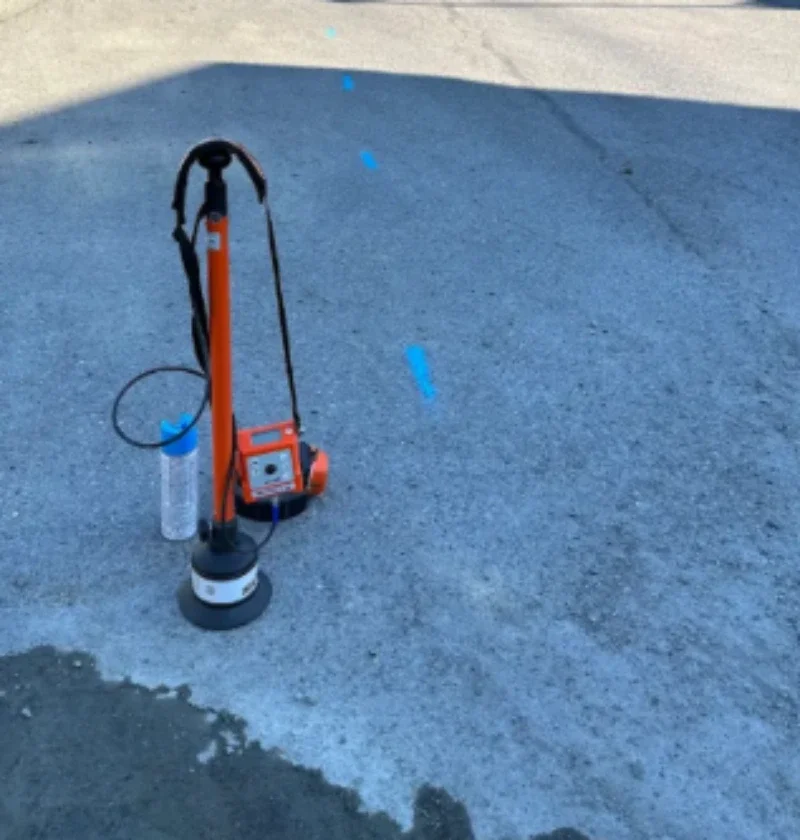
A slab leak is a failure in a water supply or drain line that runs beneath or through a concrete foundation slab. Homes in the Lynnwood area — particularly those built between the 1950s and 1990s — often have copper or galvanized supply lines embedded directly in the concrete. When those lines develop even a small hole or joint failure, water begins migrating through the porous concrete and into the soil below, or upward through the slab into flooring materials above.
Unlike a pipe leak inside a wall cavity, slab leaks are entirely hidden from view and can persist for months before causing obvious symptoms. The water doesn't always rise immediately to the surface — it may travel sideways through the concrete or beneath it for some distance before becoming noticeable. By the time a homeowner sees a wet spot on their hardwood floor, the underlying damage may have been accumulating for a considerable time.
In Lynnwood's climate, where ambient moisture is high for much of the year and mold development is faster than in drier climates, an undetected slab leak creates an environment where structural wood, insulation, and flooring materials can deteriorate faster than they would elsewhere. Prompt detection matters.
About this referral service
ClearLine Leak Detection connects you with independent, licensed leak detection professionals in the Lynnwood area. We do not perform detection work directly. When you call, a specialist will be arranged to visit your property.
Why Slab Leaks Are Particularly Common in Lynnwood
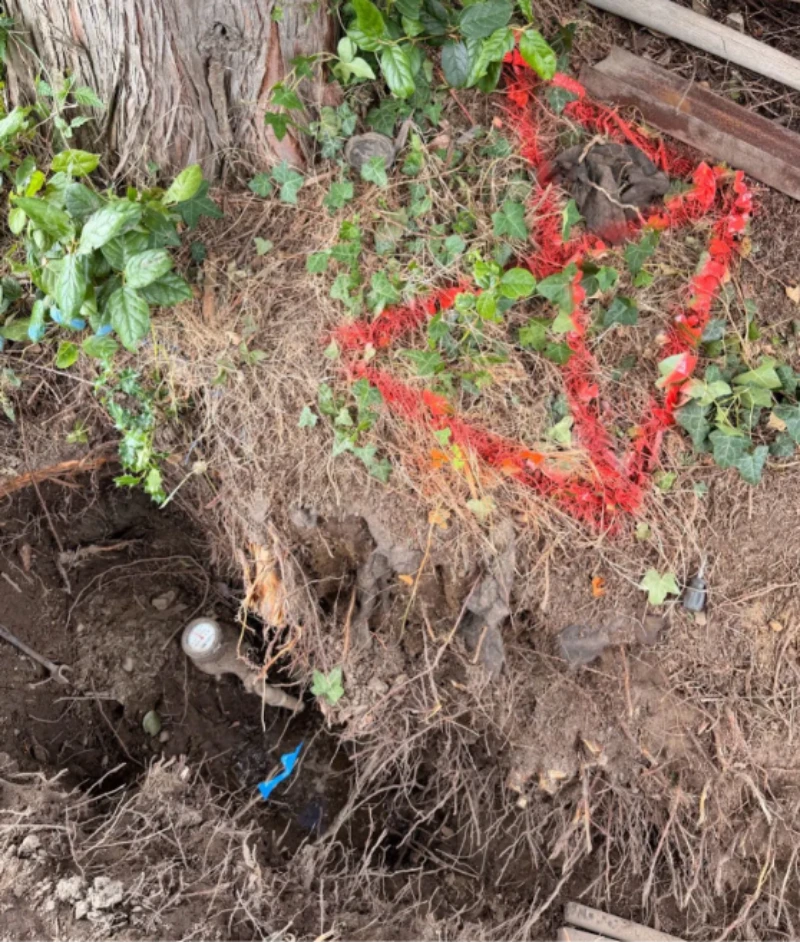
Several factors make slab leaks a recurring concern for Lynnwood homeowners specifically:
Soil composition: Much of Lynnwood sits on glacial till deposits with significant clay content. Clay soils expand when wet and contract when dry. This seasonal movement exerts ongoing mechanical stress on buried pipes, gradually fatiguing the material and loosening joints over years and decades.
Housing age: A substantial portion of Lynnwood's residential stock was built before 1985, a period when copper supply lines were standard. Copper pipes have a long service life but are not indefinite. When water chemistry is slightly acidic — which can occur in Pacific Northwest water supplies — pitting corrosion accelerates over time, eventually creating pinhole-sized failures in the pipe wall.
Extended wet seasons: Lynnwood's wet season runs from roughly October through April, keeping soil saturated for months at a time. Saturated soil maintains constant hydrostatic pressure against below-grade structures, and soil movement at the freeze-thaw margin (rare in Lynnwood but not impossible in colder winters) can stress pipes that have already developed minor weaknesses.
How Slab Leak Detection Works
A professional slab leak inspection typically involves several non-invasive methods used in combination. The goal is to confirm a leak is present, rule out other sources, and narrow the location precisely before any concrete is touched.
- Water meter and pressure test: The specialist isolates your water system and tests line pressure. A pressure drop over a set period indicates an active leak in the pressurized supply lines. This step separates supply-side leaks from drain-side issues before more detailed techniques are applied.
- Acoustic listening: Acoustic amplification devices are placed at the floor surface or against the pipe at accessible points. The sound of water escaping under pressure creates a distinctive acoustic signature that varies with soil type, pipe material, and flow rate. An experienced technician can use this to identify a general zone for the leak.
- Thermal imaging: Warm water escaping from a hot supply line changes the temperature of the concrete surface above it. Thermal cameras detect these surface temperature variations, helping confirm the approximate leak zone. This method is most effective on warm-water line leaks and works best when there is a meaningful temperature differential.
- Electronic pipe tracing: A signal is introduced into the pipe and traced from the surface using a receiver. This allows the technician to map exactly where the pipe runs beneath the slab — information that is often unavailable from original construction drawings and essential for planning repair access.
- Moisture mapping: In some cases, moisture meters are used to identify areas of elevated moisture in flooring materials. Combined with the other methods, this helps confirm the direction water is tracking from its source.
After pinpointing the location, the specialist provides a clear report of what was found and where, which is then used to guide any repair contractor on where to make access cuts.
Eight Signs of a Possible Slab Leak
A hot water line failure causes the concrete surface temperature to rise noticeably above surrounding areas, particularly on tile or bare floors.
A steady rise in water usage on your bill when your household routines haven't changed is a classic indicator of a slow continuous leak somewhere in your system.
Audible water movement when all faucets, appliances, and irrigation are off suggests pressurized flow through a breach — often under the slab.
Hardwood buckling, tile cracking, or carpet padding that stays damp in an area that shouldn't be wet can indicate moisture wicking up from below the slab.
A significant leak removes water from the pressurized supply before it reaches your fixtures, which can result in reduced pressure throughout the home.
Water from a slab leak can wick upward into wall assemblies from the base, producing moisture staining or soft drywall at the floor-wall junction.
In Lynnwood's humid climate, mold can begin developing within 24–48 hours in materials that stay wet. A musty smell near the floor — even without visible mold — warrants investigation.
Significant under-slab leaks can saturate and shift the soil supporting the foundation. In severe cases, this contributes to minor settling cracks in the slab or walls.
Common Causes of Under-Slab Pipe Failures
Corrosion in aging copper lines: Copper pipes installed before the 1990s can develop pinhole leaks when water chemistry and pipe age combine. Slightly acidic water gradually etches the inside of the pipe. This is most common in older Lynnwood homes where the original copper supply lines remain.
Soil movement and pipe abrasion: As clay soils expand and contract seasonally, pipes embedded in or beneath the slab experience friction and movement. Over decades, this abrasion can wear through pipe walls at contact points, particularly where the pipe passes through the slab edge or rests against gravel or sharp aggregate.
High water pressure: Residential water supply pressure above approximately 80 PSI stresses pipe joints and fittings more significantly than systems running at moderate pressure. Some Lynnwood homes have supply pressure at the high end of the acceptable range, which can accelerate joint failure over time.
Chemical interaction with concrete: In some cases, the concrete mix or alkaline soil environment reacts chemically with the pipe exterior. This is more commonly observed with galvanized steel pipe, which can corrode from the outside in when exposed to certain soil chemistries.
Seismic activity: The Pacific Northwest sits on an active seismic zone. While Lynnwood is not in a high-frequency earthquake zone for large events, minor tremors and ground movement can cause pipes already weakened by corrosion or abrasion to fail at points of stress concentration.
Safe Checks You Can Do Before Calling
There are a few simple observations that can help you communicate useful information when you call for a professional inspection. None of these require any tools, pipe access, or risk to your plumbing.
- Read your water meter. With all fixtures and appliances off, note the meter reading. Wait 30 minutes without using any water and check again. If the numbers changed, you have an active leak somewhere in your system. This doesn't tell you it's a slab leak, but it confirms a leak is present and helps rule out phantom readings.
- Walk your floors barefoot. Warm spots that are consistently warmer than surrounding floor areas — particularly in a specific zone — can point toward a hot water line failure beneath the slab. Note the location so you can describe it to the specialist.
- Check your hot water heater. If your hot water heater is running more frequently than usual, or if you notice it cycling without significant hot water use, it may be compensating for a continuous flow through a breach in the hot supply line.
- Look for visible moisture at wall bases. Walk along the baseboards and look for any discoloration, bubbling paint, or soft areas at the floor-wall junction. Photograph any you find before calling.
Do not attempt
Do not attempt to open your own slab, break through concrete, or access buried pipes. Slab access requires professional jackhammering or saw-cutting with specific safety precautions and an accurate knowledge of exactly where the leak is. Digging blind risks cutting into the wrong area and causes damage that extends the repair scope.
What to Expect During a Professional Slab Leak Inspection
When a specialist arrives at your Lynnwood home, they'll typically follow a structured process designed to confirm the leak, rule out other sources, and identify the precise location.
- The specialist will review what you've observed and ask about when symptoms started, recent water bill history, and any previous plumbing work. This background helps narrow the investigation area before tools are deployed.
- A pressure test isolates the supply system. The technician introduces pressure to the line and monitors it. A drop in pressure over a set period confirms the leak is in a pressurized supply line rather than a drain.
- Acoustic equipment is positioned at multiple points on the floor surface and at accessible pipe connections. The specialist listens for the characteristic sound signature of pressurized water escaping through a breach in concrete.
- If a hot water line is suspected, a thermal camera scans the floor surface to identify heat anomalies. The technician maps these against the acoustic findings to triangulate the leak zone.
- Electronic pipe tracing equipment is used to map the route of the buried line. This is critical because original pipe routing may not be documented, and the exact path under the slab is needed to plan repair access precisely.
- The specialist marks the floor at the identified leak location and provides you with a clear written or verbal report of findings — what was found, where it is, and what type of repair access will be required. This information is then shared with a repair contractor of your choosing.
Factors That Affect Slab Leak Detection Scope
We do not publish specific pricing because detection service scope — and therefore cost — varies based on a number of factors that can only be assessed at the property. What typically influences scope:
| Factor | How It Affects Scope |
|---|---|
| Home size and footprint | Larger slab areas require more time to survey acoustically and may require more pipe tracing passes. |
| Number of plumbing lines beneath slab | Multi-line slab systems require each line to be pressure-tested and traced individually if the leak source isn't immediately clear. |
| Clarity of leak symptoms | An obvious warm spot in a specific location takes less time to confirm than an ambiguous high bill with no surface symptoms. |
| Flooring material over the slab | Tile and bare concrete allow acoustic readings; thick carpet or floating floor systems can dampen acoustic signals, requiring more probe positions. |
| Accessibility of pipe entry/exit points | Accessible water main entry points allow faster pressure isolation. Finished basements or heavily furnished rooms may extend inspection time. |
When to Treat a Slab Leak as Urgent
Not every slab leak requires an emergency same-day response. However, some situations warrant treating the problem as time-sensitive:
- You can hear water running continuously with all fixtures off — this suggests significant flow, not a slow drip
- A floor area has become noticeably wet or water is pooling inside your home
- You've turned off your main water supply and your water pressure does not restore when you turn it back on
- The symptom has appeared suddenly and is worsening quickly rather than being a gradual long-term change
In these situations, consider turning off your main water supply valve to limit damage and calling for an expedited inspection. The main shutoff is typically located where the supply line enters your home or at the meter box near the sidewalk. Emergency leak detection services are available for situations that cannot wait.
Frequently Asked Questions
How is a slab leak found without breaking concrete?
Acoustic listening devices detect the sound of water escaping under pressure through the concrete. Thermal imaging cameras identify temperature differences where warm water is escaping. Electronic pipe tracing locates the exact route of the buried line. Using these methods together, a specialist can typically narrow the location to within a foot or two before any concrete is disturbed.
What causes slab leaks in Lynnwood homes?
Lynnwood's clay-heavy glacial soils expand and contract significantly with seasonal moisture changes, placing mechanical stress on pipes embedded in the slab over time. Older copper and galvanized pipes corrode and develop pinhole failures. Water chemistry, soil abrasion around the pipe exterior, and elevated water pressure are also contributing factors in this area.
Is a slab leak always an emergency?
Not always, but most slab leaks warrant prompt attention rather than indefinite delay. A slow drip may not require an immediate emergency response, but fast-flowing breaks can saturate the soil beneath your foundation and promote mold growth quickly. If you hear running water with fixtures off or see active pooling, that's when to treat it as urgent.
Will the detection specialist also repair the leak?
ClearLine connects you with leak detection specialists whose primary role is to locate the source accurately. Some contractors offer detection and repair together; others specialize in detection only and refer out for repair. When you call, ask about the scope of services the referred provider offers so you know exactly what's included.
How long does a slab leak inspection take?
A typical residential slab leak inspection takes two to four hours. Larger homes or situations where symptoms are ambiguous may take longer. The specialist typically begins with a pressure test to confirm an active leak exists before applying acoustic and thermal tools.
Can I still use water during a slab leak?
It depends on the severity. If you have a fast-flowing break, shut off the main water supply immediately. With a confirmed slow drip, limited water use may be possible until a specialist can inspect, but every gallon that flows is water migrating beneath your slab. Your specialist will advise on whether to limit water usage based on findings during inspection.
Related Services
Slab leaks are one category of under-foundation water problem. Depending on your home's construction, related issues may also benefit from inspection:
Lynnwood Neighborhoods We Serve
We connect homeowners across all Lynnwood neighborhoods — from Alderwood Manor to Scriber Lake — as well as nearby communities with slab-on-grade construction.