Why Crawlspace Moisture Is a Particular Concern in Lynnwood
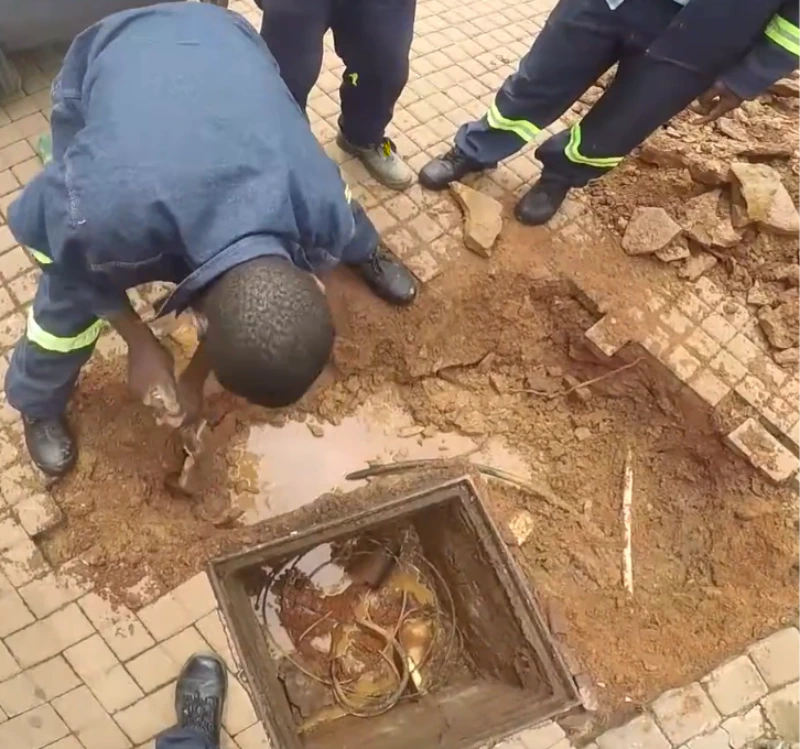
Crawlspace homes are common throughout the Lynnwood area, particularly in properties built before the 1980s when slab-on-grade construction became more prevalent in this region. The crawlspace sits between the soil surface and the first floor of the home, providing access to plumbing, electrical runs, and structural beams — but also creating a space where moisture from multiple sources can accumulate.
Lynnwood's climate intensifies crawlspace moisture challenges in several ways. The region receives substantial annual rainfall, and the wet season keeps soil saturated from roughly October through April. When soil directly beneath and around a crawlspace foundation is saturated, moisture moves upward through evaporation into the crawlspace air. Without adequate vapor barrier coverage, cross-ventilation, or mechanical dehumidification, this moisture load is absorbed by wood framing, insulation, and any other organic material in the space.
Crawlspace pipe leaks in Lynnwood often develop in older galvanized supply lines, cast iron drain sections, and copper lines subject to corrosion from the naturally soft and slightly acidic water chemistry in the Puget Sound region. Because nobody is regularly walking through the crawlspace to observe drips, a pipe leak can go undetected for months — and in that time, the combination of leak moisture and ambient crawlspace humidity can create conditions favorable for wood rot, insulation failure, and mold growth affecting the structural floor system above.
Types of Crawlspace Moisture Problems
Active pipe leaks: Supply and drain lines that run through the crawlspace can develop drips, spray, or flow failures at joints, pinhole corrosion points, or cracked fittings. These are identified through acoustic listening and visual inspection of accessible areas.
Groundwater intrusion: In some crawlspace configurations, groundwater migrates through the foundation footings or walls during periods of heavy rain and high soil saturation. This produces seasonal wet areas on the crawlspace floor rather than continuous dripping.
Condensation-driven moisture: Warm, humid exterior air entering vented crawlspaces meets cooler soil and structural surfaces, producing condensation. This is particularly common in summer when outside humidity is higher and the soil remains cool from the previous wet season.
Plumbing drain condensation: Large-diameter drain pipes in the crawlspace — particularly those carrying cold water in warm weather — can sweat externally in humid conditions, producing moisture drips that are sometimes mistaken for pipe failures.
Warning Signs of Crawlspace Moisture or Leak
Air circulation from the crawlspace to living areas is what typically makes crawlspace mold detectable in the home. A musty smell rising from floor heating vents or registers is a common first sign.
Wood floor systems that have absorbed significant moisture may develop areas of noticeable give or softness. This indicates that structural members in the crawlspace are compromised.
An active pipe leak in the crawlspace runs continuously without your knowledge. Monitoring your water bill over several months may reveal a steady increase that correlates with an undetected drip.
During crawlspace inspection, condensation drips on cold supply pipes or moisture beading on foundation walls indicates the humidity level in the space is above acceptable levels.
Batts of insulation fastened between floor joists absorb moisture and become heavy, eventually detaching from their position. Fallen or sagging insulation is a visual indicator of crawlspace moisture exposure.
White chalky deposits on concrete or block foundation walls indicate that water is moving through the concrete and depositing minerals as it evaporates on the interior surface.
Dark staining, soft wood, or actively rotting areas on structural floor joists indicate sustained moisture exposure. In severe cases, this is a structural concern requiring prompt attention.
Moisture-damaged crawlspaces attract wood-destroying pests. A correlation between crawlspace moisture problems and increased pest activity is common in Lynnwood area homes.
What a Crawlspace Leak Inspection Involves
- The specialist reviews your home's layout, the age of plumbing, and any symptoms you've noticed — including when they started, whether they track with rain, and any history of prior crawlspace work.
- A physical inspection of the accessible crawlspace area is conducted. The specialist looks for active drips, staining patterns on the soil or vapor barrier, evidence of prior flooding, and the condition of visible plumbing and structural framing.
- Moisture levels in floor joists, sills, and other wood framing are measured with a calibrated moisture meter. Elevated moisture levels in framing indicate sustained exposure even if no active drip is currently visible.
- Supply lines are pressure-tested if a pipe failure is suspected. This confirms whether a leak is active in a pressurized supply line before the investigation continues.
- Acoustic equipment is used in areas where a drip is heard but not visually located — particularly around pipe chases and areas with limited visual access.
- The specialist identifies the source category (pipe leak, groundwater, or condensation), documents the extent of moisture damage observed, and provides clear findings for remediation or repair planning.
Safe Observations Before Calling
- Open the crawlspace access hatch and take a flashlight look from the opening without entering if you're not equipped for crawlspace access. Note whether you see standing water, dripping pipes, or significant condensation on surfaces near the opening.
- Smell the air at the access point. A strong musty odor detected immediately at the hatch suggests elevated moisture or mold in the space.
- Check your water bill for the past three months and compare to the same period in prior years if available. Unexplained increases can indicate an active leak below.
Crawlspace entry safety
Do not enter a crawlspace without appropriate equipment including knee pads, a full-coverage coverall, N95 or P100 respirator, and a bright headlamp. Crawlspaces may contain mold, pest activity, hazardous insulation materials, and sharp debris. Leave full inspection to the professional.
When to Act Without Delay
If you can hear active water running inside your crawlspace, see water streaming from the access opening, or notice your first floor flexing significantly in an area it previously didn't, these are situations that benefit from an urgent call rather than scheduling a routine appointment. Sustained flowing water in a crawlspace can saturate soil, undermine footings, and cause rapid structural damage to floor framing. Emergency leak detection services are available for these situations.
Crawlspace Moisture Sources — What They Look Like
Not all crawlspace moisture comes from the same place, and the repair approach depends entirely on correctly identifying the source. Here's how the most common types differ in appearance and detection method.
| Moisture Source | Appearance in Crawlspace | Seasonal Pattern | Detection Method | Typical Repair |
|---|---|---|---|---|
| Plumbing leak (supply line) | Localized wet spot, dripping, water pooling under a fixture | Year-round / constant | Acoustic + pressure test | Plumber repairs pipe |
| Plumbing leak (drain line) | Intermittent wetness, sewage odor, staining on drain pipes | Year-round / intermittent | Camera inspection + dye test | Plumber repairs drain |
| Groundwater seepage | Wet soil, standing water, efflorescence on foundation walls | Peaks Nov–March | Moisture mapping + probe | Drainage improvement / waterproofing |
| Surface runoff intrusion | Wet near perimeter walls, dry toward center | Peaks during heavy rain events | Moisture mapping + visual inspection | Grading, downspout routing |
| Condensation | Wet insulation, dripping from framing, uniform humidity | Summer (warm outside air meets cool ground) | Humidity measurement + ventilation check | Vapor barrier + ventilation adjustment |
Frequently Asked Questions
Is crawlspace moisture always from a pipe leak?
No. Many crawlspace moisture problems are environmental — groundwater intrusion, inadequate vapor barriers, and condensation from humidity are common non-pipe sources in the Lynnwood area. Detection involves distinguishing between these sources so the right solution is applied. Installing a vapor barrier or dehumidifier won't solve an active pipe drip, and repiping won't solve a groundwater intrusion problem.
How often should I have my crawlspace inspected?
In the Lynnwood area, where crawlspace moisture is a genuine ongoing concern, having the space visually inspected every couple of years is a reasonable practice — particularly in homes over 20 years old with older plumbing. Immediately following any symptom (odor, soft floor, water bill increase) is always the right time regardless of when you last looked.
Can crawlspace moisture damage my foundation?
Sustained groundwater intrusion and extreme moisture can affect the soil bearing capacity around footings over time, particularly in clay-heavy soils that become unstable when saturated. Wood sill plates and rim joists resting on the foundation are especially vulnerable to rot when moisture is consistently high, which can eventually affect the structural connection between the floor system and the foundation.
Will a vapor barrier fix my crawlspace moisture problem?
A vapor barrier is an important part of crawlspace moisture management, but it is one component of a system. If the primary moisture source is a pipe leak, a vapor barrier won't address it. If the source is groundwater intrusion or soil evaporation, an encapsulation system including a heavy vapor barrier may be part of the solution — but this should follow detection work that confirms the source.
Is crawlspace leak detection included in a general home inspection?
Standard home inspections typically include a visual observation of accessible crawlspace areas but do not include pressure testing, acoustic detection, or moisture mapping of structural framing. Dedicated leak detection provides a more thorough assessment when there is a specific concern or symptom.
What happens after the leak is located?
The detection specialist provides findings and location information. A licensed plumbing contractor handles any pipe repair. If structural wood damage is identified, a contractor familiar with floor system repair assesses and addresses that separately. Remediation of any mold is handled by a specialized remediation company. The detection report gives all subsequent contractors the clarity they need to scope and price their portion of the work accurately.
Related Services
Areas We Serve
Crawlspace homes are common throughout Alderwood Manor, North Lynnwood, Cedar Valley, and surrounding communities. We connect homeowners across all of these areas with qualified specialists.