Irrigation Leak Detection Explained
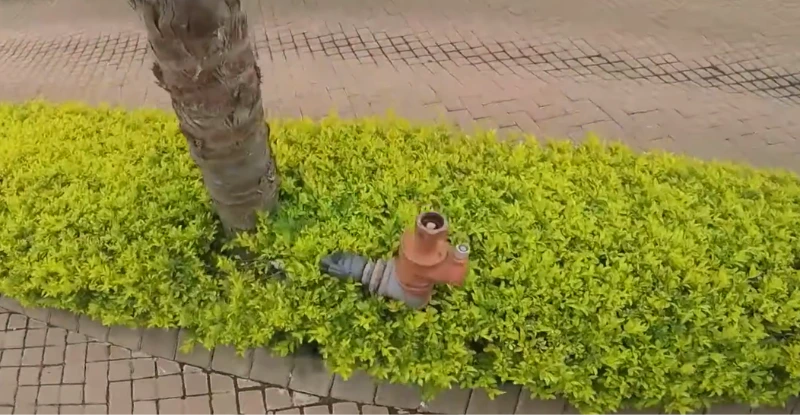
Most residential and commercial irrigation systems in the Lynnwood area consist of a controller, a backflow preventer, a set of zone valves, and a network of buried lateral lines with sprinkler heads or drip emitters. When a leak develops in a buried lateral — typically at a barbed fitting, a cracked pipe section, or a failed zone valve — water escapes continuously between irrigation cycles or during watering. Because the leak is below grade, the only external signs are often a section of yard that is noticeably wetter or greener than surrounding areas, or a water bill that is higher than expected for the season.
Lynnwood irrigation systems face specific stresses. Seasonal freezing and thawing — even mild — affects above-ground components like backflow preventers and exposed risers. The clay-heavy soils in many Lynnwood yards can shift and settle with moisture changes, stressing rigid PVC laterals at fittings over time. Systems that were improperly winterized may have split sections that are discovered only when the system is reactivated in spring.
Types of Irrigation System Leaks
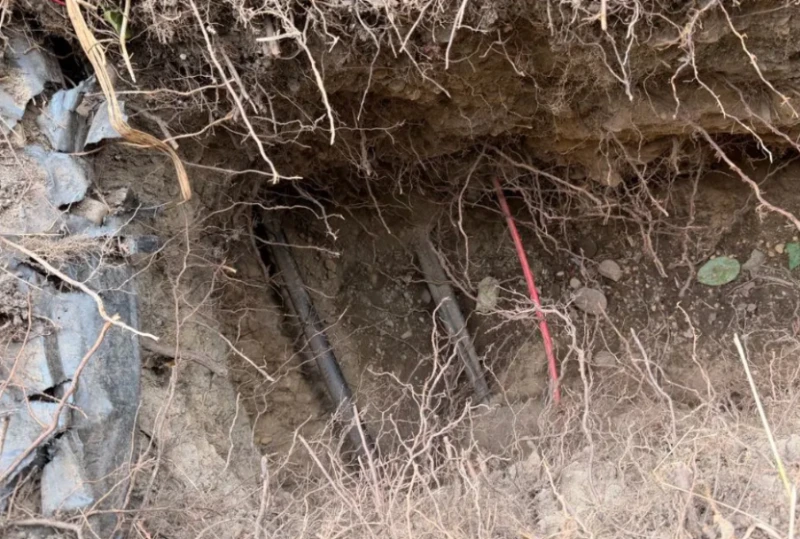
Buried lateral leaks: A split or fitting failure in a buried PVC or poly pipe run that feeds sprinkler heads in a zone. Water escapes into the soil continuously when that zone is pressurized, and may continue to seep if the zone valve isn't sealing fully. These are the hardest to detect visually and benefit most from professional localization.
Zone valve failure: A valve that doesn't fully close allows water to trickle through the zone even when it's not scheduled to run. This can keep a zone's lateral pressurized continuously, causing a low but constant water loss. It may appear as a perpetually wet area over one zone even days after watering.
Broken or misaligned sprinkler heads: Above-grade head damage is typically visible — a head that has been struck by a mower or vehicle may spray incorrectly or continuously. These are usually identified by observation during a zone run, not by detection equipment.
Backflow preventer failure: The backflow assembly is a required safety component that prevents irrigation water from entering the potable supply. Backflow preventers can develop internal failures that allow water to flow through a relief port or bypass, contributing to water loss and requiring replacement.
Drip line failures: Drip irrigation systems operating on low pressure may develop emitter failures, rodent damage to tubing, or fitting separations. These can be harder to detect because the flow rate is low and the entire system is designed to release water slowly.
Warning Signs of an Irrigation System Leak
A section of lawn or planting bed that is noticeably saturated between watering days — particularly when other zones appear normal — often indicates a buried leak in that zone's lateral.
If your irrigation-season water bill is significantly higher than the same months in prior years with no change in schedule or coverage, a system leak is a common cause.
Standing water around the irrigation control valve box or the backflow preventer assembly can indicate a valve seal failure or backflow preventer issue above grade.
If lawn areas appear wet on days when no watering is scheduled, a valve that fails to close completely may be allowing water to seep through a zone continuously.
A broken lateral in one zone will reduce operating pressure across that zone's heads, resulting in shorter throw distances and incomplete coverage — sometimes most noticeable as dry spots within an otherwise well-covered zone.
If you observe your water meter advancing in the middle of the night when irrigation is off and no fixtures are running inside, a continuously leaking valve or lateral is a likely explanation.
An unusually green strip of lawn running in a direction that doesn't match your head positions often traces directly above a buried lateral that is leaking along its length.
Spring reactivation is the most common time for split pipes and damaged components to appear. Any system that wasn't properly winterized or that experienced a hard freeze should be inspected before being returned to full operation.
How Irrigation Leak Detection Works
- The specialist runs each zone and observes the system operating: head coverage, spray patterns, and any visible pooling or soggy areas during zone operation. This identifies obvious above-grade issues before subsurface investigation begins.
- Zone laterals are pressure-tested in isolation by closing zone valves and introducing pressure to the line. A pressure drop in a specific zone's lateral confirms a buried leak in that zone rather than in the main supply or a different zone.
- For buried lateral leaks, acoustic ground-contact listening equipment is used along the suspected line path. The escaping water under zone pressure creates a signal identifiable by experienced technicians even in grass-covered areas.
- The leak location is marked at the surface for a landscape or irrigation contractor to excavate, repair the fitting or pipe section, and backfill. Accurate localization prevents the alternative — digging up long sections of lateral to find a leak by visual search.
Seasonal Considerations in Lynnwood
Lynnwood irrigation systems are typically inactive from approximately November through March. When systems are reactivated in spring, it's worth doing a systematic check of each zone before resuming normal scheduling. Look for heads that aren't popping up, zones with noticeably reduced pressure, and any above-grade components that show cracking or displacement from the winter period. If your system was shut down by draining rather than by blowing out with compressed air, buried sections at low points may have held water through any freeze events.
During the dry season (roughly June through September), irrigation-related water loss can be significant because systems run frequently. A buried leak that contributes modest losses during spring testing becomes a much larger billing concern when the system runs multiple days per week through the summer. High water bill investigation is often the first step for homeowners who notice summer bills that don't match their irrigation schedule.
Irrigation Leak Types — Symptoms & Solutions
| Leak Type | Visible Symptom | Typical Cause | Detection Approach |
|---|---|---|---|
| Zone valve failure | Zone runs continuously or won't shut off; zone won't start | Worn diaphragm or solenoid | Zone-by-zone pressure test |
| Lateral line crack | Wet surface strip when zone runs; unexplained soggy area | Freeze damage, root pressure, age | Acoustic detection + pressure drop test |
| Rotor head failure | Water pooling around head; head won't retract; misting | Worn seal, broken body | Visual during zone run |
| Main supply line (pre-valve) | Constant leak regardless of system state | Corrosion, joint failure | Meter test + acoustic survey |
| Backflow preventer | Dripping from relief port on backflow assembly | Failed check valve | Visual + pressure test |
| Controller malfunction | Zones run at wrong times or not at all | Faulty board, wiring, programming | Controller diagnostic + zone test |
Frequently Asked Questions
Can I find an irrigation leak myself?
Above-grade issues — broken heads, visible pooling at valve boxes, backflow preventer drips — are often identifiable by walking the system during a zone run. Buried lateral leaks are much harder to locate without acoustic detection equipment. If you've identified the general zone but can't find where the lateral is leaking, professional detection prevents unnecessary digging.
Does the leak detection specialist also repair the irrigation system?
ClearLine connects you with leak detection specialists. Some referred contractors may offer both detection and repair; others specialize in detection only. When you call, confirm the scope of services the referred provider offers for irrigation work.
Do irrigation leaks affect my water quality?
Irrigation systems typically use potable water, but the irrigation side of the system operates at lower pressure than the home supply and — critically — should be separated from the potable system by a properly functioning backflow preventer. A failed backflow preventer is a concern that should be addressed promptly, both from a water waste and water quality standpoint.
How deep are irrigation laterals buried?
Residential irrigation laterals in the Lynnwood area are typically buried 6 to 12 inches deep. Main supply lines may be deeper. Detection equipment works effectively at these depths.
What if the leak is in the controller or programming, not the pipes?
A controller that has been inadvertently programmed to run more frequently than intended will produce high water bills without any physical leak. This is worth checking before scheduling a detection inspection — review every zone's start time, run duration, and day schedule to confirm the programming matches your intentions.
Is irrigation leak detection covered by homeowner's insurance?
Coverage varies significantly by policy. Some policies cover sudden and accidental water damage but may exclude gradual leaks. We don't advise on insurance matters — contact your insurance carrier directly with questions about your specific coverage.
Related Services
Irrigation and sprinkler leak detection is available across the Lynnwood area, including Bothell, Mill Creek, Mukilteo, Edmonds, and Martha Lake — communities where residential irrigation systems are common and underground line leaks are a regular occurrence.